news
Maryland's Primary: Everyone Counted the Money. Nobody Read the Map.
Maryland voted on June 23, and by the next morning the story had already been written for everyone: the establishment held. Favorites won. Money mattered. Incumbency and endorsements still work.
All true. And it's the least interesting thing that happened.
Because the topline — "the favorites won" — is exactly the kind of sentence that gets a primary filed away and forgotten. It's tidy. It confirms what you already believed. And it hides the actual event, which you can only see if you stop counting dollars and start reading the map.
The story everyone told
Here's the version that got reported, and it's not wrong.
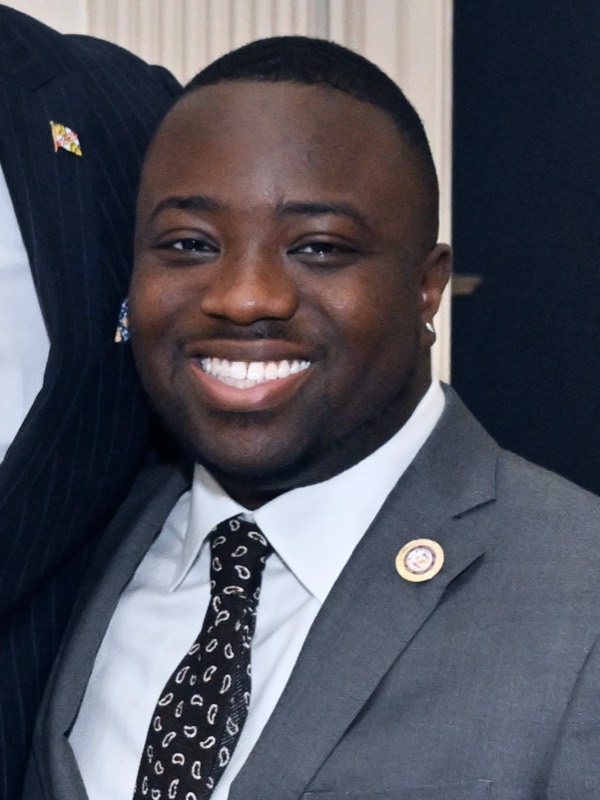
In the marquee open-seat race — District 5, Steny Hoyer's seat after decades — Del. Adrian Boafo won a 24-candidate field by almost 15 points (roughly 33% to his nearest rival's 18%). He was Hoyer's pick, Wes Moore's pick, and he was carried by more than $8 million in outside money supporting him — part of a combined ~$12.5 million that crypto-aligned (Protect Progress) and AIPAC-linked (United Democracy Project) super PACs poured into the race.
In District 6, incumbent April McClain Delaney beat David Trone — who self-funded roughly $25 million trying to buy his old seat back, in a race that topped $32 million all in — by about six points (~44% to ~38%). Trone conceded. In Baltimore, Senate President Bill Ferguson beat a viral sailboat-captain challenger while out-raising him roughly 30 to 1 — though by 13 points, not a blowout; Ferguson called it his toughest primary yet.
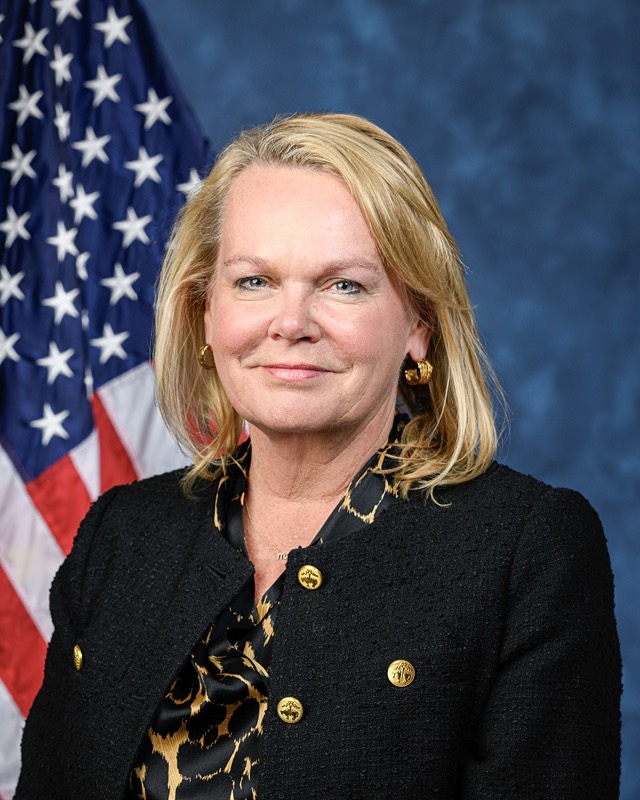
held MD-6, beat Trone
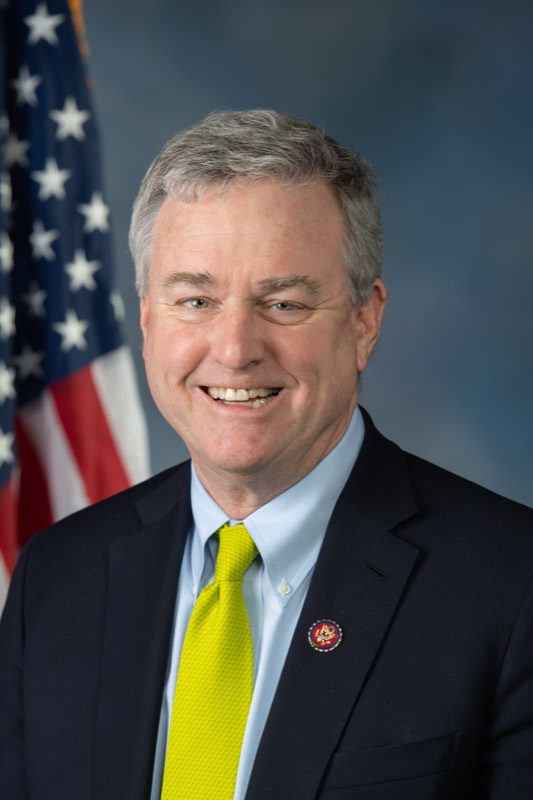
~$25M self-funded, lost
So the lesson got written as: money and party machinery still organize chaos. Instagram followers don't beat a 30-to-1 fundraising gap. The insurgents — the nationally famous January 6th officer, the anti-AIPAC progressives — didn't break through.
Fine. But notice what that framing does. It sorts every race onto a single axis — establishment versus insurgent — and then reports the score. And the moment you accept that axis, you stop looking at the thing that doesn't fit on it.
Now read the map
Maryland doesn't vote as one state. It votes as five regions, and each one told its own story on the same night.
The DC suburbs are the engine. Prince George's and Montgomery cast the most votes and decide the most. They split. In Prince George's, Aisha Braveboy took the county executive primary with around 71%. Consolidation, not a contest. In Montgomery — the largest, wealthiest county in the state — it was a genuine three-way fight. Progressive councilmember Will Jawando narrowly leads (~41%) over business-moderate Andrew Friedson (~34%) and Evan Glass (~22%), but the race hasn't been formally called: Glass conceded, Friedson hadn't, and the late mail ballots lean his way, so the final margin will compress. Two giants, two different moods on the same night.
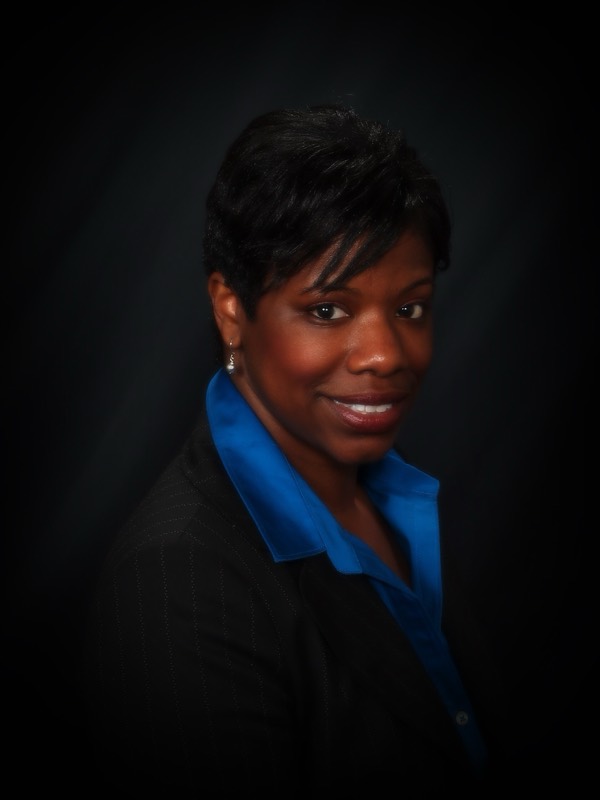
Prince George's exec, ~71%
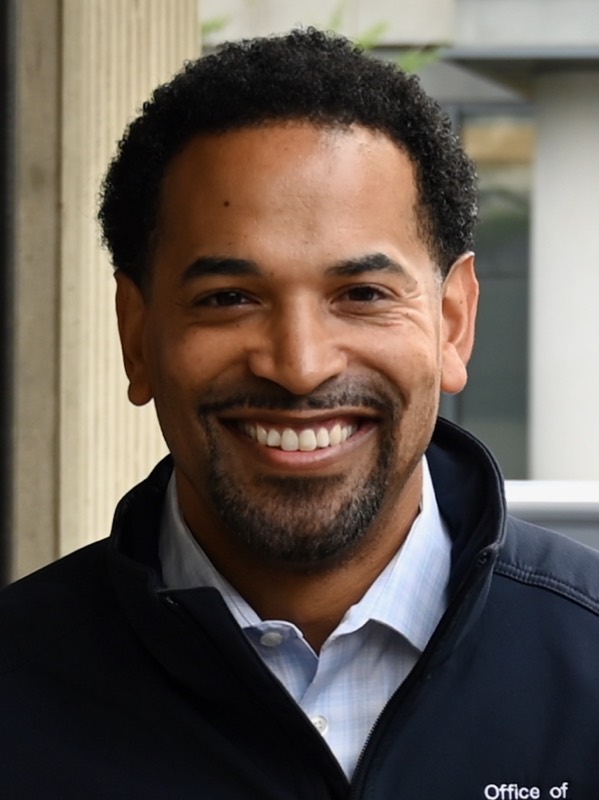
leads MoCo (uncalled)
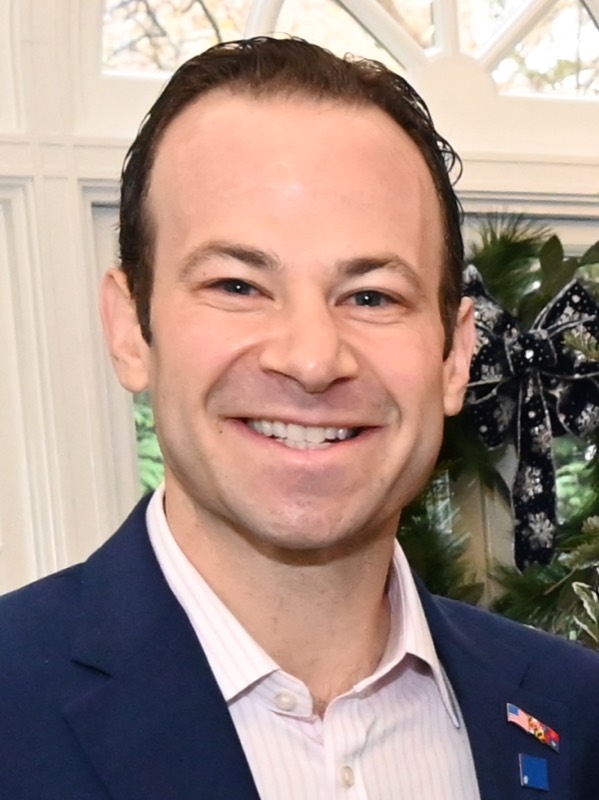
close 2nd, MoCo
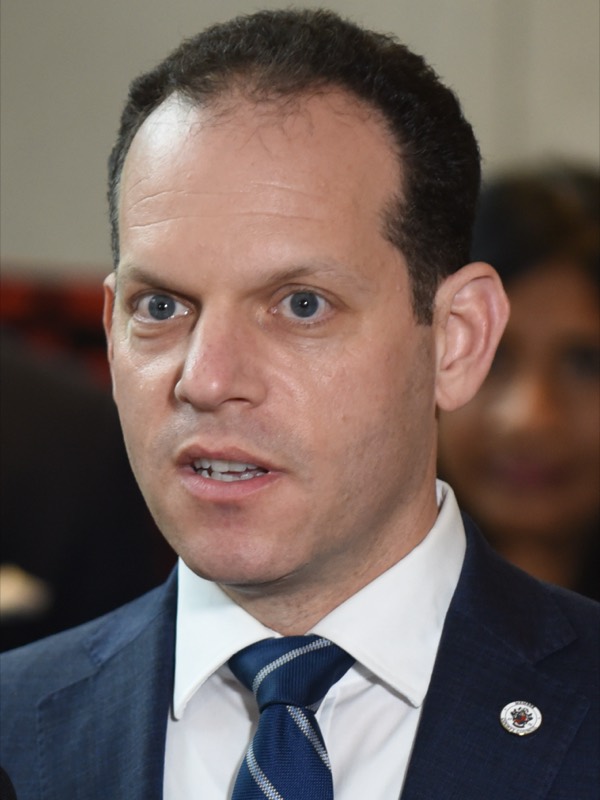
3rd, conceded
Baltimore was continuity on top, change underneath. The incumbents held: Ferguson, Kweisi Mfume at roughly 70% in District 7. But one rung down, councilmember Julian Jones, once the only Black member of the Baltimore County Council, led the race to become that county's first Black executive, and a challenger backed by Mayor Brandon Scott unseated a sitting sheriff who had the endorsements and the money. Sabrina Tapp-Harper's win over incumbent Sam Cogen (who conceded) was arguably the real upset of the night. It makes her Baltimore's first female sheriff. It happened well below the headlines.
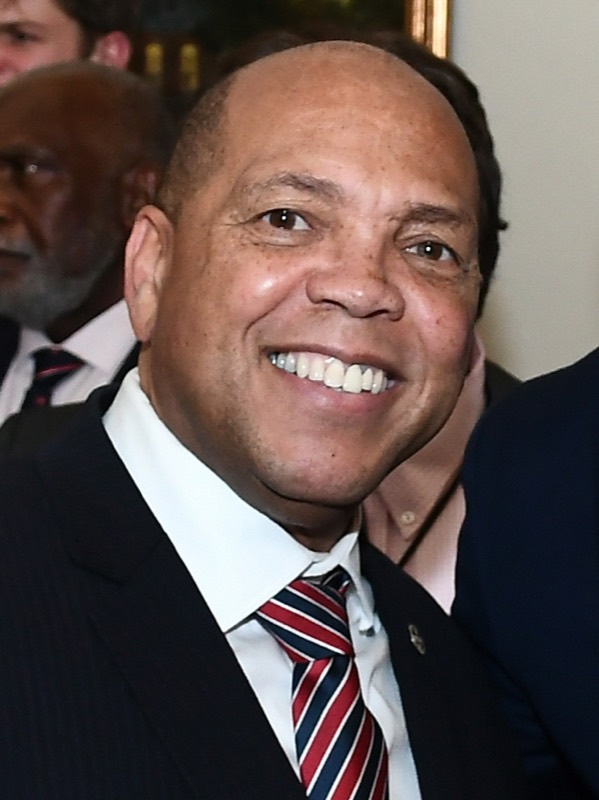
1st Black Baltimore Co. exec
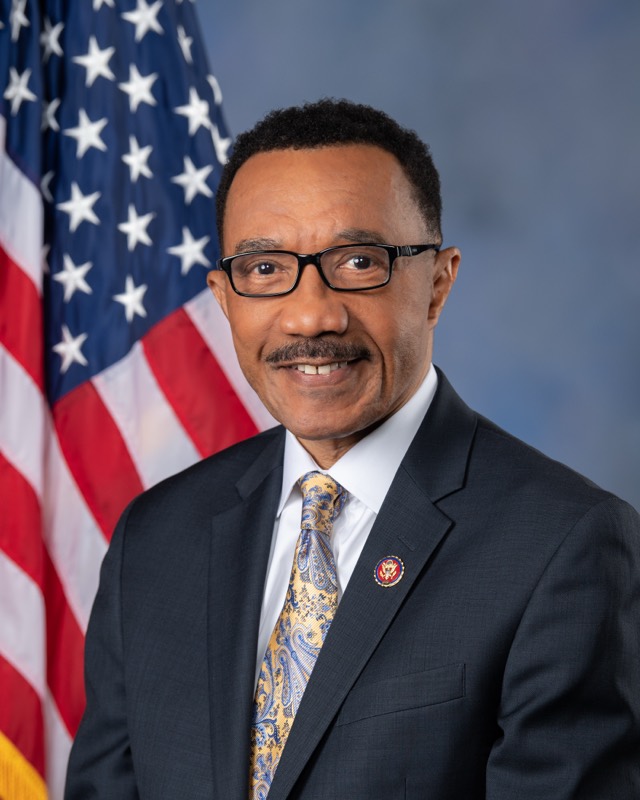
held MD-7, ~70%
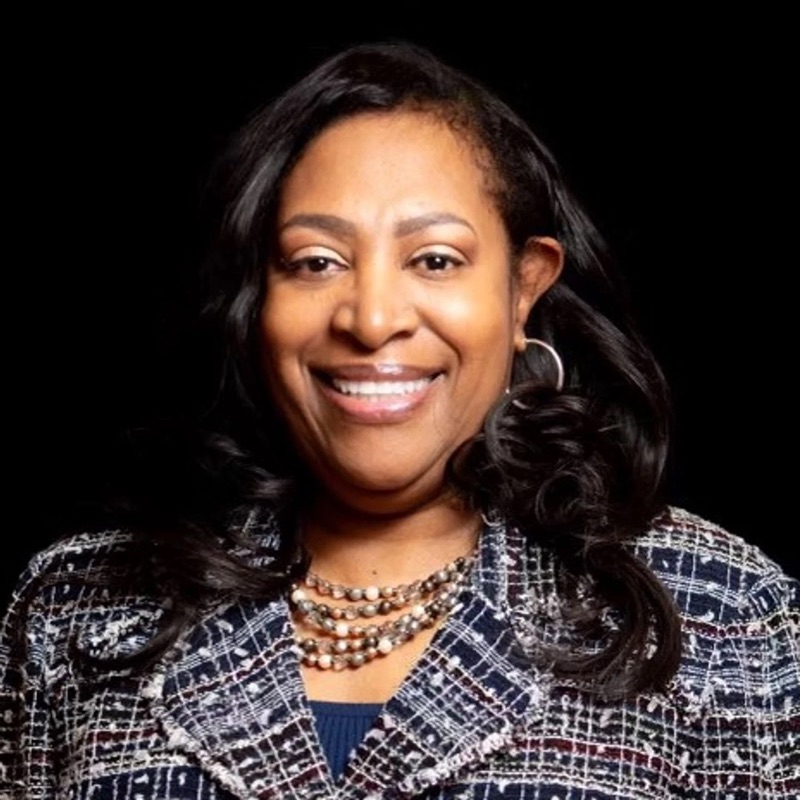
unseated the sheriff
The DC–Baltimore corridor rewarded competence-and-connections. In Howard County, Vanessa Atterbeary won decisively, about 58%, to become the county's first Black woman executive. And she won it as the insider, the candidate backed by developers and business, beating the progressive councilmembers to her left.
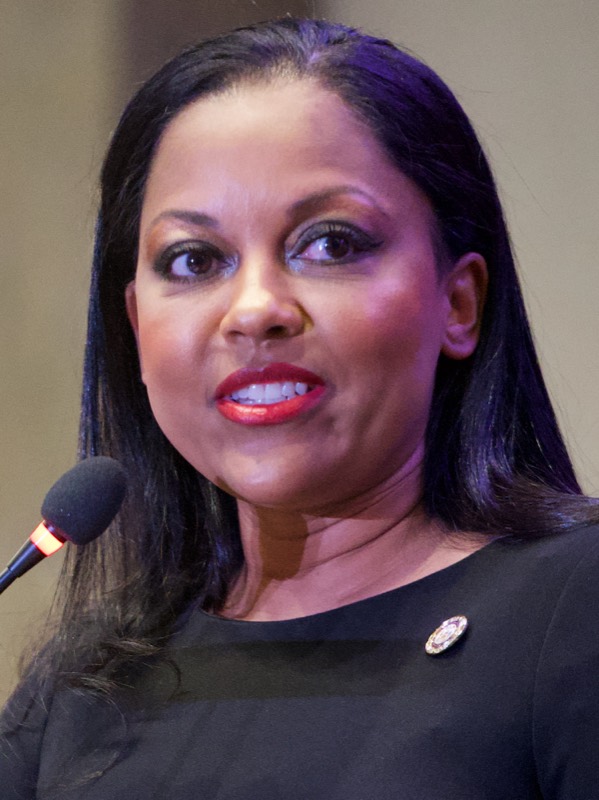
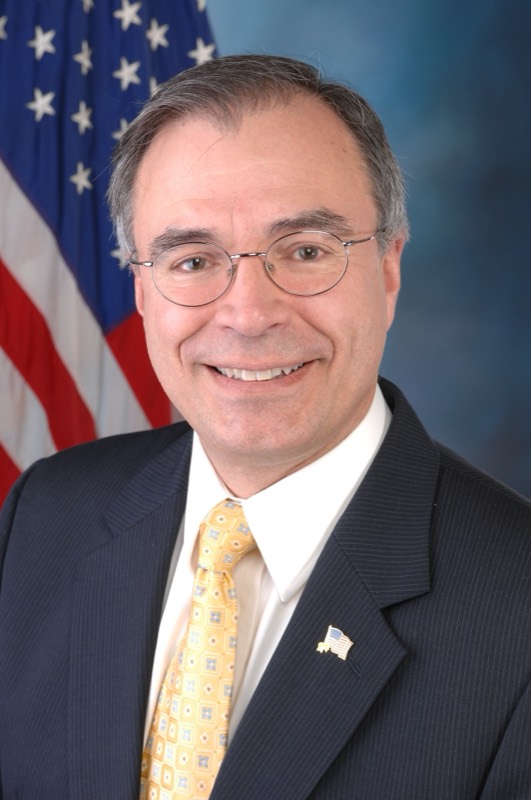
The Eastern Shore and Western Maryland are the durable red bloc. Andy Harris took his GOP primary with around 80%. One structurally Republican region, behaving exactly as designed — the geographic anchor of the state's lone red House seat.
And the statewide GOP map is Trump country, not Hogan country. Dan Cox won the Republican nomination for governor (~44% to Ed Hale's ~36%) and will face Wes Moore in a rematch of the 2022 race Moore won by more than 30 points. The moderate lane — the only Republican lane that has ever won statewide in Maryland — got no traction. Moore reportedly wanted this opponent. You can see why.
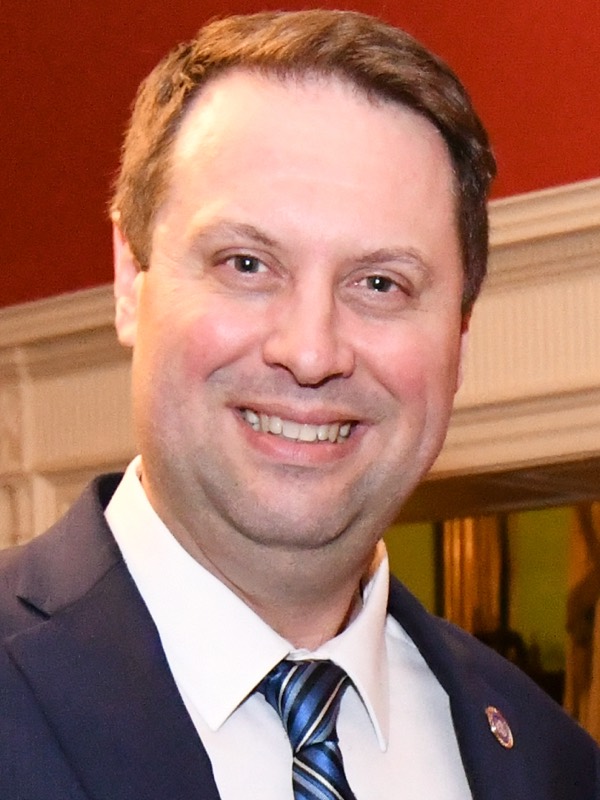
GOP nominee for governor
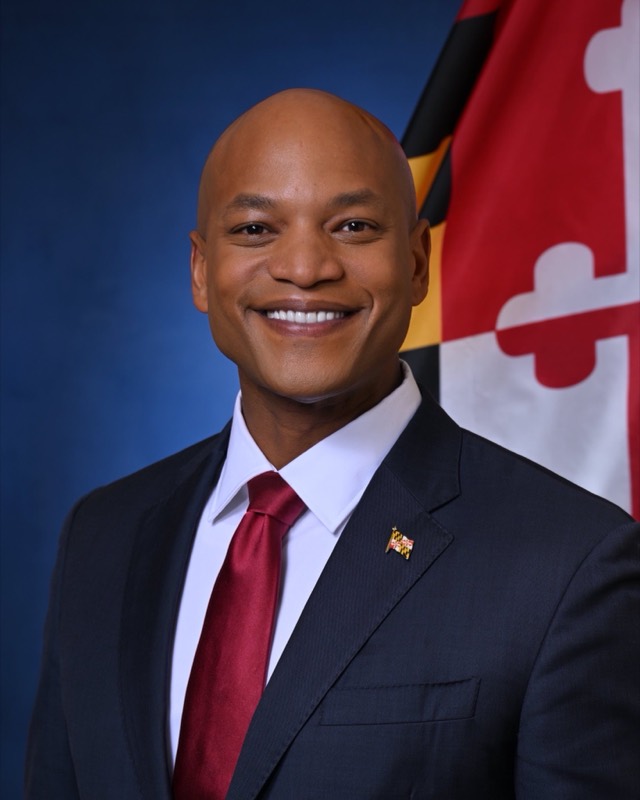
~88%; 2022 rematch ahead
The thing the topline buried
Now put those regions side by side and a pattern shows up that no single race revealed on its own.
Atterbeary in Howard. Jones in Baltimore County. Braveboy in Prince George's. Boafo in District 5. Malcolm Ruff in State Senate 41 (he unseated an incumbent). A new sheriff in Baltimore. In one night, across the entire populous core of the state, a generation of Black candidates took or extended real executive and legislative power.
Howard exec
Baltimore Co. exec
Prince George's exec
MD-5
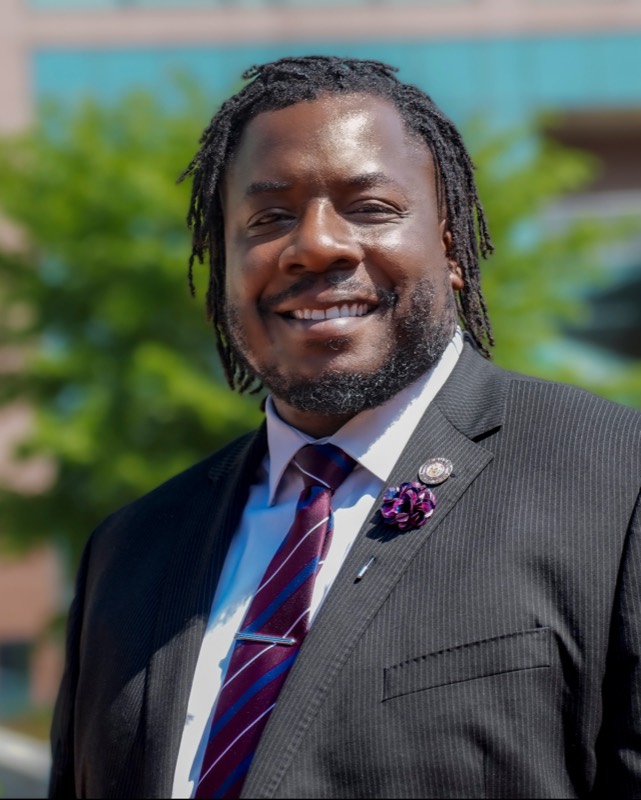
State Senate 41
Baltimore sheriff
And here's why it didn't make the morning topline: each individual race looked like a favorite winning. Atterbeary was the establishment pick. Braveboy was the incumbent. Boafo had the money. Every one of them slotted cleanly into the "favorites held" story — so the aggregate, in the national frame, never got named. The realignment was distributed across a dozen separate races, and a distributed shift doesn't trip the "upset" wire. It just quietly happens.
To be fair, the people closest to the ground did name it. The Baltimore Banner's own takeaways carried a "Black Political Power" section; the AFRO and the Washington Informer ran the Black-leadership story straight. The map wasn't invisible — it was visible to anyone reading Maryland's own press. What buried it was the national, money-first frame: the recaps that led with Trone's $25 million and Boafo's super PACs, because dollar figures fit in a headline and a demographic realignment spread across a dozen county races does not.
That's the event. Not "the establishment won." A structural handoff of who actually runs Maryland's biggest counties — surfaced only if you read the map instead of the scoreboard.
The blowouts, for the record
The incumbents weren't just safe; several were reaffirmed by margins that read more like coronations. These are the unofficial June 26 numbers.
| Race | Winner | Result |
|---|---|---|
| MD-8 Dem | Jamie Raskin | ~92% |
| Governor Dem | Wes Moore | ~88% |
| MD-2 Dem | Johnny Olszewski | ~84% |
| MD-1 GOP | Andy Harris | ~80% |
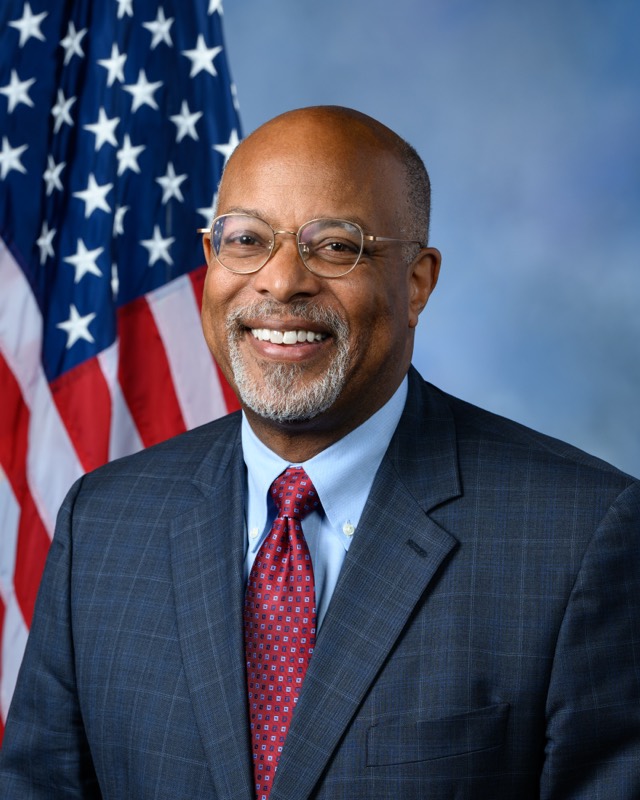
| MD-4 Dem | Glenn Ivey | ~77% |
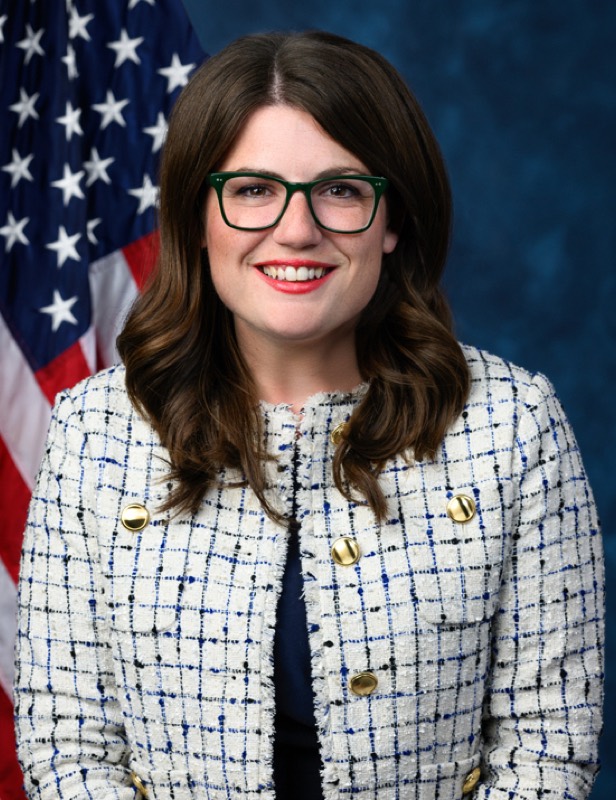
| MD-3 Dem | Sarah Elfreth | ~75% |
| MD-7 Dem | Kweisi Mfume | ~70% |
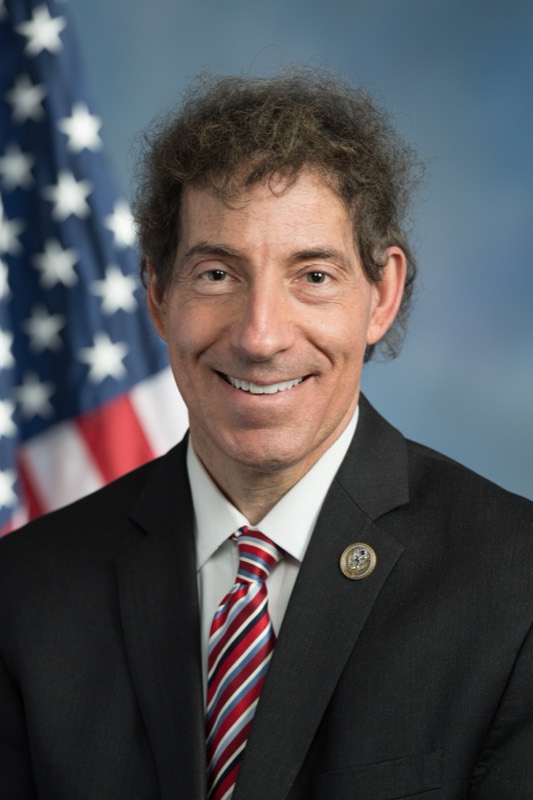
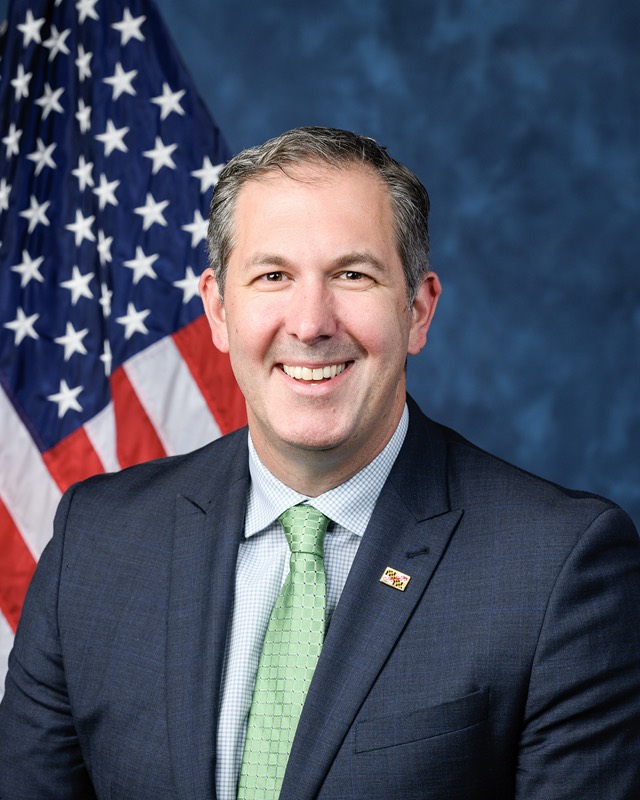
Raskin's ~92% is especially loud: it's a base reaffirmation of the delegation's anti-Trump, constitutional-democracy anchor.
The vibe underneath it
The other thing the establishment-versus-insurgent frame misses is the mood, because the mood isn't on that axis either.
Maryland Democrats are angry — at Trump, at the threats to the federal workforce that fills these suburbs, at the squeeze on affordability. But they are not angry at their own party. They didn't reach for nostalgia (Trone) or for insurgency (the anti-establishment progressives, including nationally known Jan. 6 officer Harry Dunn, who finished a distant third in MD-5). They reached for generational change inside the institution — younger, often Black, establishment-aligned candidates who promise to defend federal workers, democracy, and abortion rights while keeping the machine intact.
That's not a revolution. It's a handoff. The torch passed; the building stayed standing. "We want new people," the electorate said, "we don't want a new building."
What it means going forward
For November, not much changes on paper: Maryland stays roughly seven blue House seats and one red one, Moore is heavily favored against Cox, and most of these primary winners are now effectively elected because their districts are safe. The primary was the election in most of the state.
But the people who will run Maryland's largest counties for the next four years are not the people who ran them for the last four. That's the part that outlasts this news cycle — and it's the part that got compressed into a single clause at the bottom of the national recaps.
The reason this matters beyond Maryland is the same reason the national coverage missed it. Everyone had a number to point at — Trone's $25 million, Boafo's $12 million, Ferguson's 30-to-1. Numbers are easy to report. They fit in the headline. They feel like the story.
The actual story was structural: a shift in who holds power that no single race made visible and no dollar figure captured. It was sitting in plain sight on the map — and the map is the one thing the topline never carried.
Not everything that counts can be counted. The Maryland primary just proved it again.
Photo credits & sources
Portraits via Wikimedia Commons. U.S. House / Congress official portraits (April McClain Delaney, David Trone, Kweisi Mfume, Jamie Raskin, Johnny Olszewski, Glenn Ivey, Sarah Elfreth, and Andy Harris) are public domain. Maryland state and local officials — Adrian Boafo, Will Jawando, Andrew Friedson, Evan Glass, Julian Jones, Vanessa Atterbeary, Bill Ferguson, and Dan Cox — are by Maryland GovPics, licensed CC BY 2.0. Wes Moore's official portrait is courtesy of the Office of the Governor of Maryland (CC BY-SA 4.0); Aisha Braveboy's portrait is public domain; Malcolm Ruff's portrait is by Petunia C (CC BY-SA 4.0). Sabrina Tapp-Harper's portrait is a courtesy headshot. Images were scaled for web.
Results: Maryland State Board of Elections (unofficial, June 26). Analysis and reporting: The Baltimore Banner, Maryland Matters, AP News, Axios, and the AFRO and Washington Informer.
Next Step
Keep moving
Related reading
Was Trump Forced to Release the Epstein Files? Here Are the Receipts.
JD Vance says nobody pressures Donald Trump. Thomas Massie says they dragged him kicking and screaming. This is the claim-by-claim evidence trail — the actual footage, posts, and government records, playable in place.
The Largest IPO in History Is Already Underwater. Here's What They're Still Not Saying.
Five weeks after the biggest IPO ever, SPCX trades below its offer price. The real story is still everything else — Anthropic's $1.25B/month rent checks, Grok firing missiles through the Pentagon's Maven system, the CSAM lawsuit expanding, and the 19-day government shutdown of Claude's best models.
Tacemus
Need a clearer digital system?
Tacemus helps silent builders turn signal into websites, automations, and AI-backed workflows that actually move the business.